
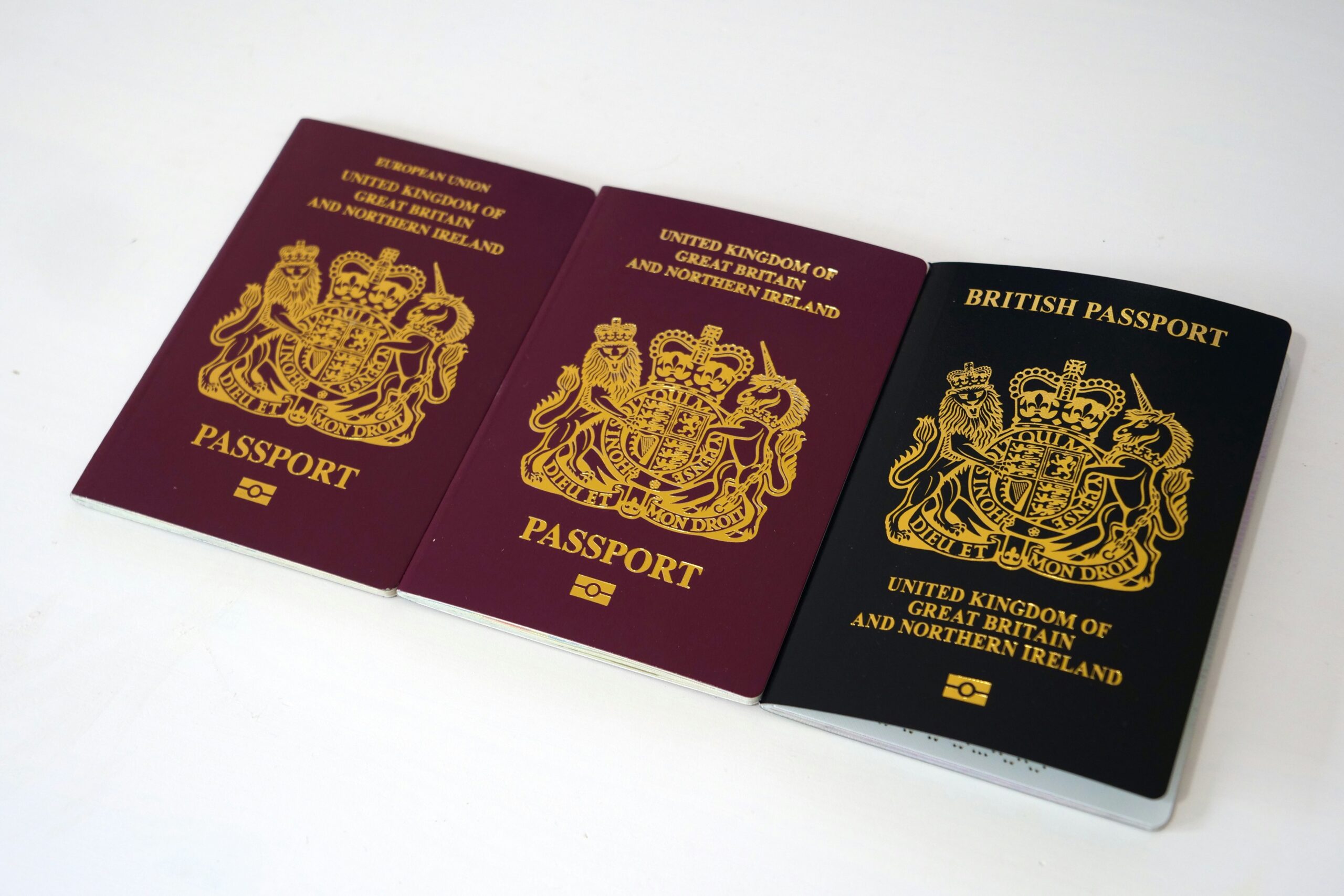
Studying in the United Kingdom is a dream for thousands of international students every year. With world-renowned universities, cutting-edge research facilities, globally recognized qualifications, and excellent career prospects, the UK continues to be one of the top destinations for higher education.
However, before you can begin your academic journey, there is one crucial step you may need to complete successfully—obtaining a UK Student Visa.
For many applicants, the visa application process can seem overwhelming. Questions such as:
- “When should I apply?”
- “How much money do I need to show?”
- “What is a CAS?”
- “What documents are required?”
are common.
The good news is that the process becomes much easier when you understand each step and prepare your documents carefully.
In this comprehensive guide, you’ll learn:
- What a UK Student Visa is
- Who needs one
- Eligibility requirements
- Documents required
- Step-by-step application process
- Visa fees and financial requirements
- Common mistakes to avoid
- Frequently asked questions
- Practical tips for preparing your application
Whether you’re applying from Nigeria, Ghana, India, Pakistan, Kenya, or any other eligible country, this guide will help you understand the process and prepare properly.
What Is a UK Student Visa?
A UK Student Visa is an immigration permission issued by UK Visas and Immigration (UKVI) that allows eligible international students to live and study in the United Kingdom at an approved educational institution.
The Student Visa replaced the former Tier 4 (General) Student Visa and is designed for eligible students aged 16 and above who have been offered a place on an eligible course by a licensed student sponsor.
Your visa is connected to the course and sponsoring institution listed in your application. If your circumstances change—for example, if you want to change your course or university—you may need to take further immigration steps.
A UK Student Visa can also come with certain conditions, such as:
- Permission to study at your sponsoring institution.
- Limited work rights where permitted by your visa conditions.
- Access to the UK’s National Health Service (NHS) after paying the Immigration Health Surcharge (IHS), where applicable.
- Permission to stay in the UK for the period granted under your visa.
Who Needs a UK Student Visa?
In general, you will need a UK Student Visa if:
- You are not a British or Irish citizen.
- You have been offered a place on an eligible course by a UK institution that is licensed to sponsor international students.
- Your course meets the eligibility requirements for a Student Visa.
- You intend to study in the UK under the Student route.
For most students from countries such as Nigeria, Ghana, Kenya, India, Pakistan, Bangladesh, Nepal, South Africa, and many others, a Student Visa is required before travelling to the UK.
If you are unsure whether you need a visa, always check the latest guidance on the official UK Government website before making travel plans.
Eligibility Requirements for a UK Student Visa
To qualify for a UK Student Visa, you generally need to satisfy the relevant eligibility requirements.
1. An Offer from a Licensed Student Sponsor
You must have an unconditional offer of a place on an eligible course from a UK education provider that holds a valid Student Sponsor Licence.
Your education provider will issue you a Confirmation of Acceptance for Studies (CAS), which you need before applying for your Student Visa.
2. Proof of Financial Capability
You may need to demonstrate that you have enough money to cover:
- Your course fees for the first academic year, up to a maximum of nine months.
- Your living expenses, also known as maintenance funds, for up to nine months.
The exact amount depends on where you will study.
Some applicants may not need to provide financial evidence at the point of application because of specific exemptions. Always check the current UK Government guidance to determine whether the requirement applies to you.
3. English Language Proficiency
Most students must demonstrate that they have sufficient knowledge of English.
For degree-level study, the required level is generally CEFR B2, while courses below degree level generally require CEFR B1.
Depending on your circumstances, you may be able to demonstrate your English through:
- An approved English language test.
- A qualifying degree taught in English.
- Another accepted qualification.
- An assessment by a qualifying Higher Education Provider in certain circumstances.
4. Genuine Student Requirement
Applicants must satisfy the Genuine Student requirement.
You should therefore provide truthful and consistent information about your intended course of study and your circumstances.
You should understand:
- Why you selected the course.
- Why you chose your university or institution.
- How the course relates to your educational or career plans.
- How you intend to finance your studies.
Being honest and consistent throughout your application is essential.
5. Health Requirements
Applicants from certain countries may need to undergo a tuberculosis (TB) test before applying for a UK visa.
Applicants from Nigeria who meet the relevant requirements must obtain their TB certificate from a clinic approved by the UK Home Office.
You should check the current UK Government TB testing guidance to determine whether you need a certificate before applying.
Types of UK Study Visas
Although many people refer to all study visas simply as a “Student Visa,” there are different immigration routes depending on the applicant’s age and course.
| Visa Type | Suitable For |
|---|---|
| Student Visa | Eligible students aged 16 or over studying an eligible course with a licensed student sponsor |
| Child Student Visa | Eligible children aged 4–17 studying at an independent school |
| Short-term Study Visa | Eligible people aged 16 or over taking an English-language course lasting more than 6 months and up to 11 months |
For the vast majority of international students undertaking eligible higher education courses, the Student Visa is the relevant route.
Step-by-Step UK Student Visa Application Process
Below are the practical steps involved in applying for a UK Student Visa.
Step 1: Secure Admission to a UK University
Before applying for a visa, you must first gain admission to an eligible UK educational institution.
The admission process usually involves:
- Choosing your preferred course.
- Submitting an application.
- Providing academic transcripts.
- Providing your passport or identification details.
- Demonstrating English language proficiency, if required.
- Meeting any additional admission conditions.
Many universities initially issue a Conditional Offer.
A conditional offer means that you have been offered a place provided you meet specific outstanding requirements, such as:
- Completing your current qualification.
- Providing final transcripts.
- Meeting English language requirements.
- Paying a tuition deposit.
Once you satisfy the conditions attached to your offer, the university may issue an Unconditional Offer and proceed with the CAS process.
Tip: Before accepting your offer, carefully review the tuition fees, course duration, start date, scholarship details, and any conditions attached to your admission.
Step 2: Obtain Your Confirmation of Acceptance for Studies (CAS)
The Confirmation of Acceptance for Studies (CAS) is one of the most important parts of your visa application.
The CAS is an electronic record issued by your education provider. It contains a unique reference number that you must enter when completing your Student Visa application.
Your CAS typically contains information such as:
- Your full name.
- Passport details.
- Date of birth.
- University or education provider details.
- Sponsor licence information.
- Course title.
- Course level.
- Course start and end dates.
- Tuition fees.
- Amount already paid, where applicable.
- English language assessment information, where applicable.
Carefully Review Your CAS
Before submitting your visa application, carefully check the information provided by your university.
Pay particular attention to:
- Your name, exactly as it appears in your passport.
- Passport details.
- Date of birth.
- Course title.
- Tuition fee amount.
- Amount already paid.
- Course start and end dates.
If you notice an error, contact your university immediately so that it can be corrected where necessary.
You should normally apply for your Student Visa within 6 months of receiving your CAS.
Step 3: Prepare All Required Documents
Gathering your documents early can help prevent last-minute stress and reduce the risk of delays.
Create a dedicated folder—both digital and physical—for your application materials.
Essential Documents Checklist
The documents required depend on your circumstances.
You will generally need:
- A current passport or other valid travel document.
- Your CAS reference number.
You may also need:
- Financial evidence.
- Evidence of an approved student loan.
- Evidence of official financial sponsorship.
- A tuberculosis (TB) certificate, where required.
- An Academic Technology Approval Scheme (ATAS) certificate, where required.
- Evidence of parental or legal guardian consent, where applicable.
- Other documents specified during your application.
Always follow the document checklist generated during your own visa application because additional evidence may be required depending on your circumstances.
Organizing Your Documents
To stay organized:
- Scan documents clearly.
- Give each file a descriptive name, such as Passport.pdf, CAS.pdf, or BankStatement.pdf.
- Check that all pages are complete and legible.
- Keep both digital and printed copies for your records.
Being organized at this stage can make the application process much smoother.
Step 4: Understand the Financial Requirements
One of the most important parts of a UK Student Visa application is proving that you have sufficient funds, where financial evidence is required.
The UK Government requires applicants who are subject to the financial requirement to show enough money to cover:
- The required course fees.
- Living expenses, also called maintenance funds, for the required period.
For most students, the current maintenance requirement is:
| Study Location | Monthly Maintenance Requirement | Maximum Period |
|---|---|---|
| London | £1,529 per month | Up to 9 months |
| Outside London | £1,171 per month | Up to 9 months |
This means the maximum maintenance amount is:
London: £1,529 × 9 = £13,761
Outside London: £1,171 × 9 = £10,539
These figures apply to students who are required to demonstrate the financial requirement. Certain applicants may be exempt from providing financial evidence.
Always check the latest GOV.UK guidance before submitting your application because financial requirements can change.
Example 1: Student Studying in London
Suppose your first-year tuition fee is £22,000, and you have already paid a £4,000 deposit.
Outstanding tuition:
£22,000 − £4,000 = £18,000
Maintenance funds:
£1,529 × 9 = £13,761
Total amount to show:
£31,761
Example 2: Student Studying Outside London
Suppose your tuition fee is £18,000, and you have already paid £3,000.
Outstanding tuition:
£18,000 − £3,000 = £15,000
Maintenance funds:
£1,171 × 9 = £10,539
Total amount required:
£25,539
Step 5: Understand the 28-Day Rule
This is one of the most important parts of the financial requirement.
If you need to provide financial evidence, the required funds must generally have been held for 28 consecutive days.
The end date of that 28-day period must be within 31 days of the date you submit your visa application.
For example, if the required funds were not maintained at the necessary level throughout the relevant 28-day period, the financial evidence may not satisfy the requirement.
Financial evidence can generally come from:
- Your own bank account.
- Your parent’s bank account.
- Your partner’s bank account, where permitted.
- An eligible student loan.
- Official financial sponsorship.
If you are using your parent’s money, the account must be controlled by your parent and the required supporting evidence must be provided.
The bank evidence must meet the specific requirements set by UKVI.
Step 6: Complete the Online Visa Application
Once your documents are ready, complete your Student Visa application online through the official UK Government website.
During the application, you may be asked to provide information such as:
- Personal details.
- Passport information.
- Home address.
- Travel history.
- Course information.
- CAS reference number.
- Financial information.
- Family details.
- Other information relevant to your circumstances.
Take your time.
Do not rush through the form.
A simple spelling mistake or incorrect date can create unnecessary problems.
Tips for Completing the Application
- Complete the form carefully.
- Save your progress where possible.
- Use the exact information shown on your passport and CAS.
- Double-check every answer before submitting the application.
Step 7: Pay the Visa Application Fee
As of September 2026, the Student Visa application fee is £558 for applications made outside or inside the UK.
Immigration fees can change, so always confirm the current fee on GOV.UK before making payment.
Keep a copy of your payment confirmation for your records.
Step 8: Pay the Immigration Health Surcharge (IHS)
In addition to the visa application fee, most Student Visa applicants must pay the Immigration Health Surcharge (IHS).
The current student rate is £776 per year.
The total amount you pay depends on the length of immigration permission granted.
Paying the IHS generally gives eligible visa holders access to NHS services during their stay, although some services may still involve additional charges, including prescriptions, dental treatment and eye care.
Step 9: Prove Your Identity and Provide Biometrics
When applying from outside the UK, you will be told whether you need to use the UK Immigration: ID Check app or attend a visa application centre to prove your identity.
If you are required to attend an appointment, your fingerprints and photograph will normally be taken.
Follow the instructions provided during your application.
What to Bring
If you are required to attend a visa application centre, take the documents and identification specified in your appointment instructions.
These may include:
- Your passport.
- Appointment confirmation.
- Visa application checklist.
- Supporting documents.
- Other documents requested during your application.
Arrive on time and follow the instructions provided by the visa application centre.
Step 10: Upload Supporting Documents
Depending on your application, you may be asked to upload supporting documents before or as part of your biometric appointment process.
To avoid unnecessary problems:
- Scan documents clearly.
- Use the file format requested.
- Ensure every page is visible.
- Avoid blurry images.
- Keep file sizes within the permitted limits.
Suggested file names include:
- Passport.pdf
- CAS.pdf
- BankStatement.pdf
- AcademicTranscript.pdf
- TBCertificate.pdf
Always follow the specific upload instructions provided during your application.
Step 11: Wait for Your Decision
After completing the required identity and biometric process, UK Visas and Immigration (UKVI) will process your application.
For applications made outside the UK, the standard processing time for a Student Visa is usually 3 weeks.
However, applications can sometimes take longer because of additional checks, document verification, interviews or other circumstances.
UKVI advises applicants to avoid booking travel until they have received a decision.
After Your Visa Is Approved
Once your application is approved, carefully review the immigration information provided to you.
Under the current system, successful applicants receive an eVisa, which is an online record of their immigration status.
Check that the information relating to your identity, immigration permission and course is correct.
If you notice an error, follow the appropriate UKVI process to report it.
Can You Work While Studying?
Some international students can work while studying in the UK, but the amount and type of work permitted depend on the conditions attached to their visa.
For example, eligible students studying a full-time degree-level course at a qualifying higher education provider can generally work:
- Up to 20 hours per week during term time.
- Full-time outside term time.
Some students studying below degree level may be limited to 10 hours per week during term time, while some students have no employment permission.
Student Visa holders are also restricted from certain types of work and activities, including most self-employment or business activity, professional sport and entertainment work.
Always check the specific work conditions attached to your own visa before starting employment.
Common Reasons UK Student Visa Applications Can Be Refused
Some Student Visa applications are refused because applicants fail to meet the relevant requirements or provide acceptable evidence.
1. Insufficient Financial Evidence
Failure to demonstrate enough funds, where financial evidence is required, or failure to meet the applicable financial rules can result in refusal.
2. Incorrect or Unacceptable Financial Evidence
Examples can include:
- Evidence that does not cover the required period.
- Insufficient funds.
- Evidence that does not meet UKVI requirements.
- Financial documents that cannot be verified.
- Failure to meet the relevant 28-day requirement.
3. Incorrect CAS Information
Differences between your application and the information held by your sponsoring institution can create problems.
Review your CAS carefully before submitting your application.
4. Missing Required Documents
Some applicants may need additional documents depending on their circumstances.
Examples include:
- TB certificates.
- ATAS certificates.
- Financial evidence.
- Sponsorship documents.
- Parental consent documents.
Always check the requirements applicable to your own application.
5. Providing False Information
Never submit fake documents or misleading information.
UKVI takes false information and document fraud seriously. Such issues can result in visa refusal and may have further immigration consequences.
Final Pre-Submission Checklist
Before submitting your application, confirm that:
✔ Your passport or travel document is valid.
✔ Your CAS details are correct.
✔ Your financial evidence meets the applicable UKVI requirements, if financial evidence is required.
✔ Your funds satisfy the relevant 28-day requirement, where applicable.
✔ Your TB certificate is included, where required.
✔ Your ATAS certificate is included, where required.
✔ Any required sponsorship or parental documents are included.
✔ Your application information is accurate and consistent.
✔ All uploaded documents are clear and readable.
Taking a few extra minutes to review your application can help prevent avoidable problems and delays.
Frequently Asked Questions (FAQ)
How long does it take to get a UK Student Visa?
For applications made outside the UK, the standard processing time for a Student Visa is usually 3 weeks.
However, this is not a guarantee. Some applications may take longer because of additional checks, document verification, interviews or other circumstances.
Can I use my parents’ bank account?
Yes. In eligible cases, you can use your parent’s funds to meet the financial requirement.
The account must be controlled by your parent, and your parent must provide the required letter confirming that you can use the money.
The financial evidence must also satisfy the applicable requirements, including the relevant 28-day rule.
Can I travel before my visa is approved?
It is advisable to wait until your visa application has been decided and you have received the appropriate immigration documentation before making travel arrangements.
UKVI advises applicants not to book travel until they receive a decision on their application.
Can I change universities after receiving my visa?
Changing your sponsoring institution can have immigration consequences.
In some situations, you may need a new CAS and may need to make another Student Visa application.
Contact your current and prospective universities and check the latest UKVI guidance before changing institutions.
Can I bring my family?
Some Student Visa holders may be able to bring eligible dependants, but the current rules are restrictive.
Generally, dependants may be permitted where the student is:
- A government-sponsored student starting a course lasting more than six months; or
- A full-time student on a qualifying postgraduate course at RQF level 7 or above lasting at least nine months.
For postgraduate courses starting on or after 1 January 2024, the course generally needs to be a PhD or other doctorate (RQF level 8) or a research-based higher degree.
Always check the latest GOV.UK dependant guidance before making plans to bring family members.
When Can I Apply for a UK Student Visa?
If you are applying from outside the UK, you can normally apply for a Student Visa up to 6 months before the start date of your course.
Starting the process early can give you enough time to obtain documents, complete financial requirements and deal with any issues that arise before your intended travel date.
Conclusion
Applying for a UK Student Visa may seem like a lengthy process, but it becomes much easier when broken down into manageable steps.
Start by securing admission to a licensed education provider, obtain your Confirmation of Acceptance for Studies (CAS), prepare your financial evidence carefully where required, and submit a complete application with all necessary documents.
Many application problems can be avoided by carefully checking the eligibility requirements, financial evidence and supporting documents before submission.
By planning ahead, following the official guidance, and reviewing your application thoroughly before submission, you can reduce avoidable errors and delays.
Remember, your visa is an important part of your journey to studying in the UK. Once you understand the requirements and prepare properly, you can approach the application process with greater confidence.
Important: UK immigration rules, fees and financial requirements can change. Always check the latest information on the official GOV.UK website before submitting a visa application.
OFFICIAL WEBSITES